Bridge of the Gods: monitoreo estructural inalámbrico para un histórico cruce del río Columbia
Parsons


Join the Move Solutions newsletter
Stay updated on product releases, news, and upcoming webinars.
Introducción: preservar un emblema del Pacífico Noroeste
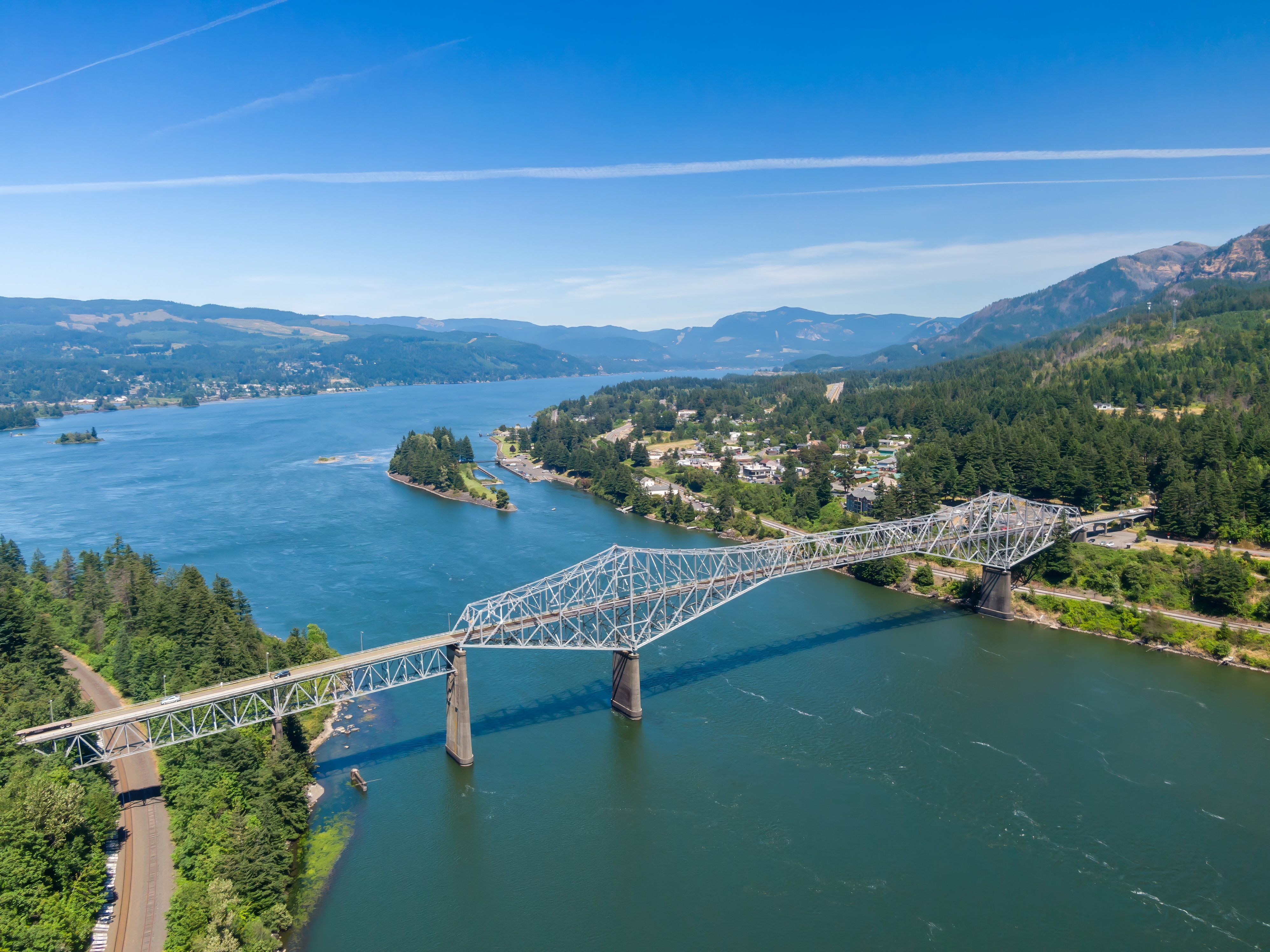
El Bridge of the Gods es mucho más que un enlace vital de transporte; es un ícono cultural e histórico del Pacífico Noroeste de Estados Unidos. El puente, una estructura de celosía cantilever en acero que cruza el río Columbia entre Cascade Locks (Oregón) y el condado de Skamania (Washington), ha servido a comunidades y al comercio desde 1926.
En junio de 2025, Parsons, en colaboración con Move Solutions, puso en marcha un sistema inalámbrico de monitoreo estructural para el Port of Cascade Locks con el fin de vigilar el estado de los tramos de aproximación del lado de Oregón. El objetivo: proporcionar información precisa y en tiempo real para apoyar la seguridad, la resiliencia y la conservación.
Antecedentes históricos y significado cultural
El Bridge of the Gods, que cruza el río Columbia entre Cascade Locks (Oregón) y el condado de Skamania (Washington), se construyó originalmente en 1926 como un puente de celosía cantilever en acero, un enlace de transporte fundamental y una infraestructura de peaje regional durante casi un siglo. Su tablero fue elevado 13,4 metros (44 pies) entre 1938 y 1940 para adaptarse al aumento del nivel del agua provocado por el proyecto de la presa Bonneville.
El puente lleva consigo una leyenda más profunda, arraigada en la tradición indígena: una presa natural formada por un deslizamiento de tierra, conocida como Bonneville Slide, se originó hacia el año 1450, bloqueando el río Columbia e inspirando el nombre de "Bridge of the Gods" en las historias orales nativas americanas. A lo largo de los siglos, esta leyenda y la estructura moderna simbolizan la confluencia entre geología, cultura e infraestructura.
Hoy en día, el puente soporta un intenso tráfico de cercanías y de carga, incluidos transportes de gran tamaño, lo que hace que el monitoreo estructural sea esencial para la seguridad pública y la conservación del activo.

Por qué es esencial el monitoreo estructural
El Bridge of the Gods se enfrenta de forma continua al tráfico, al clima y a desafíos sísmicos. Sin un monitoreo continuo, las primeras señales de fatiga o de movimiento podrían pasar desapercibidas.
Al integrar una red de sensores en tiempo real, los ingenieros pueden:
· Rastrear la respuesta del puente bajo cargas vehiculares normales y de gran tamaño
· Establecer datos de rendimiento de referencia para el análisis de tendencias a largo plazo
· Apoyar decisiones de mantenimiento basadas en datos
La solución de monitoreo inalámbrico
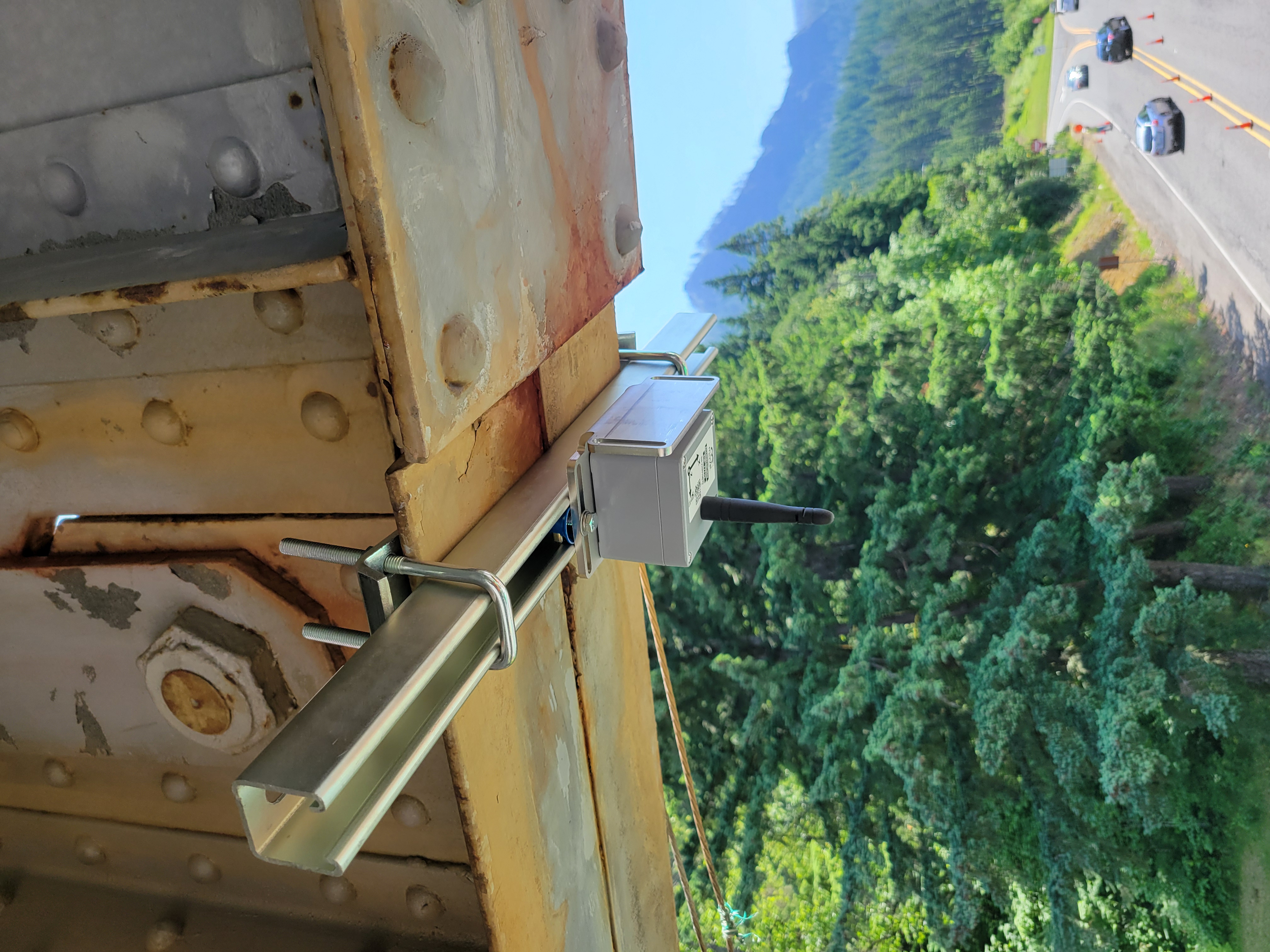
El sistema de Move Solutions desplegado en junio de 2025 cubre los tres tramos de aproximación del lado de Oregón con instrumentación avanzada y de bajo mantenimiento:
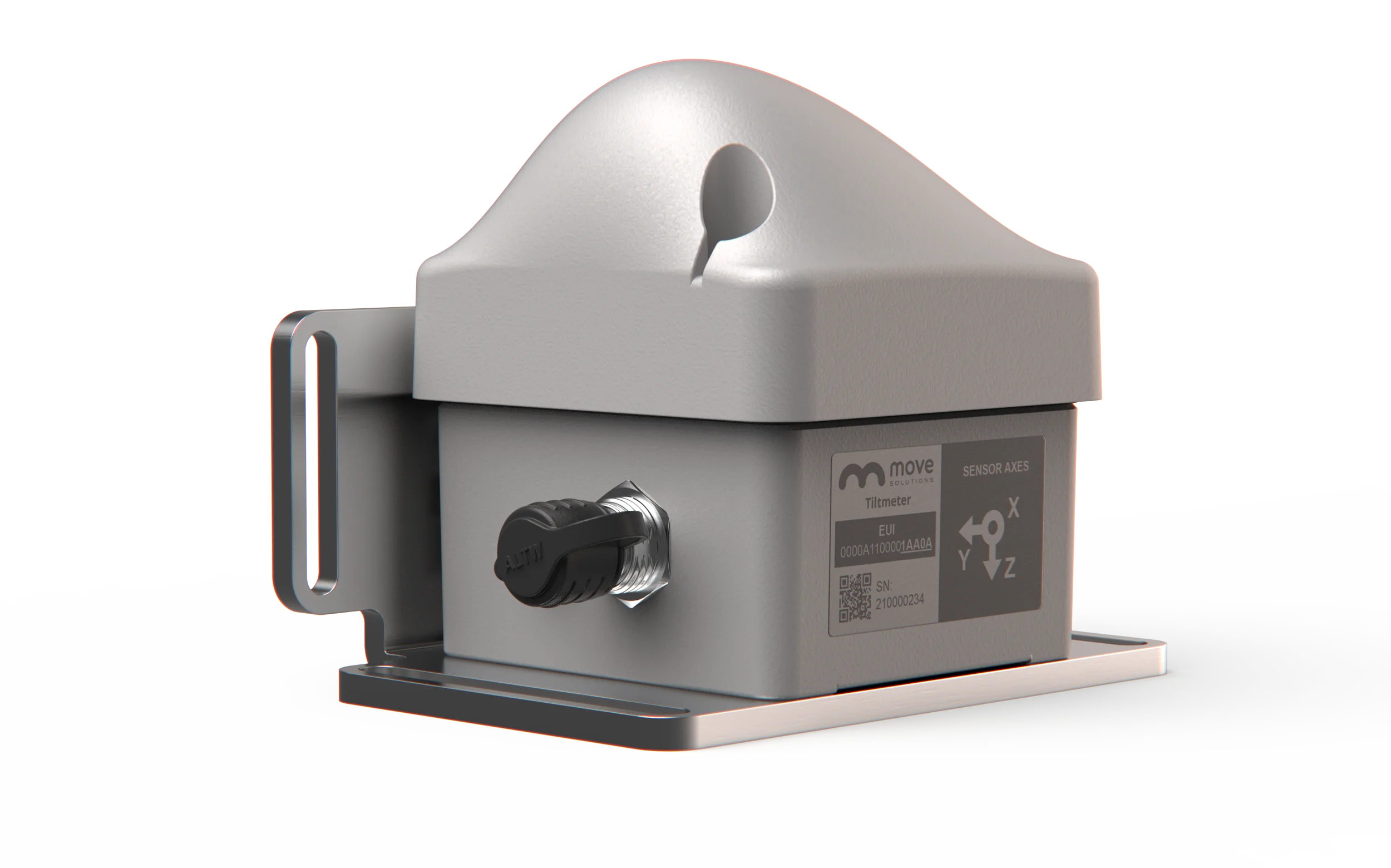
· 2 Inclinómetros – detectan rotaciones estructurales
· 6 Acelerómetros – miden vibraciones y patrones de aceleración
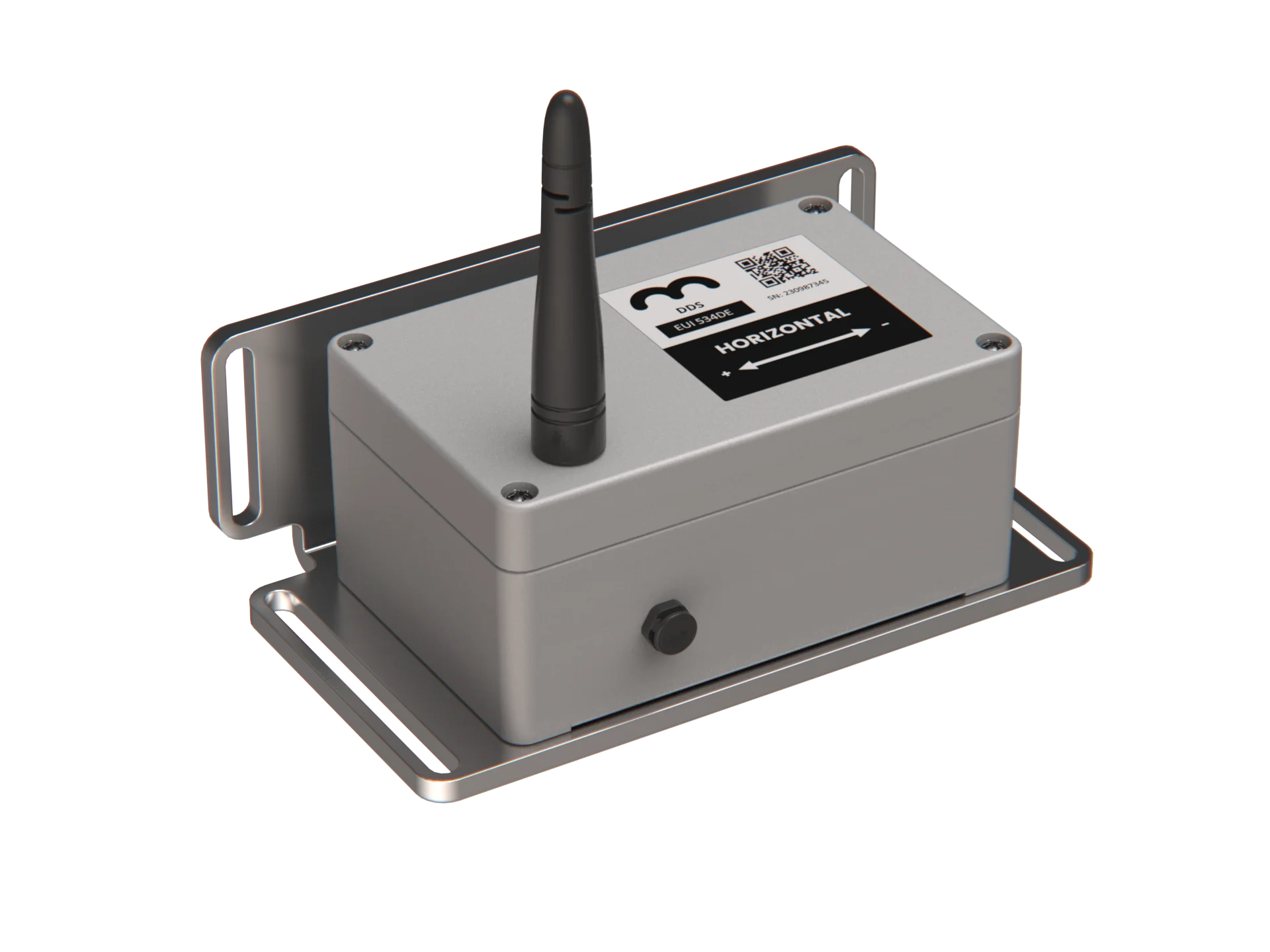
· 6 Sensores de desplazamiento dinámico – capturan el movimiento en tiempo real al paso de vehículos
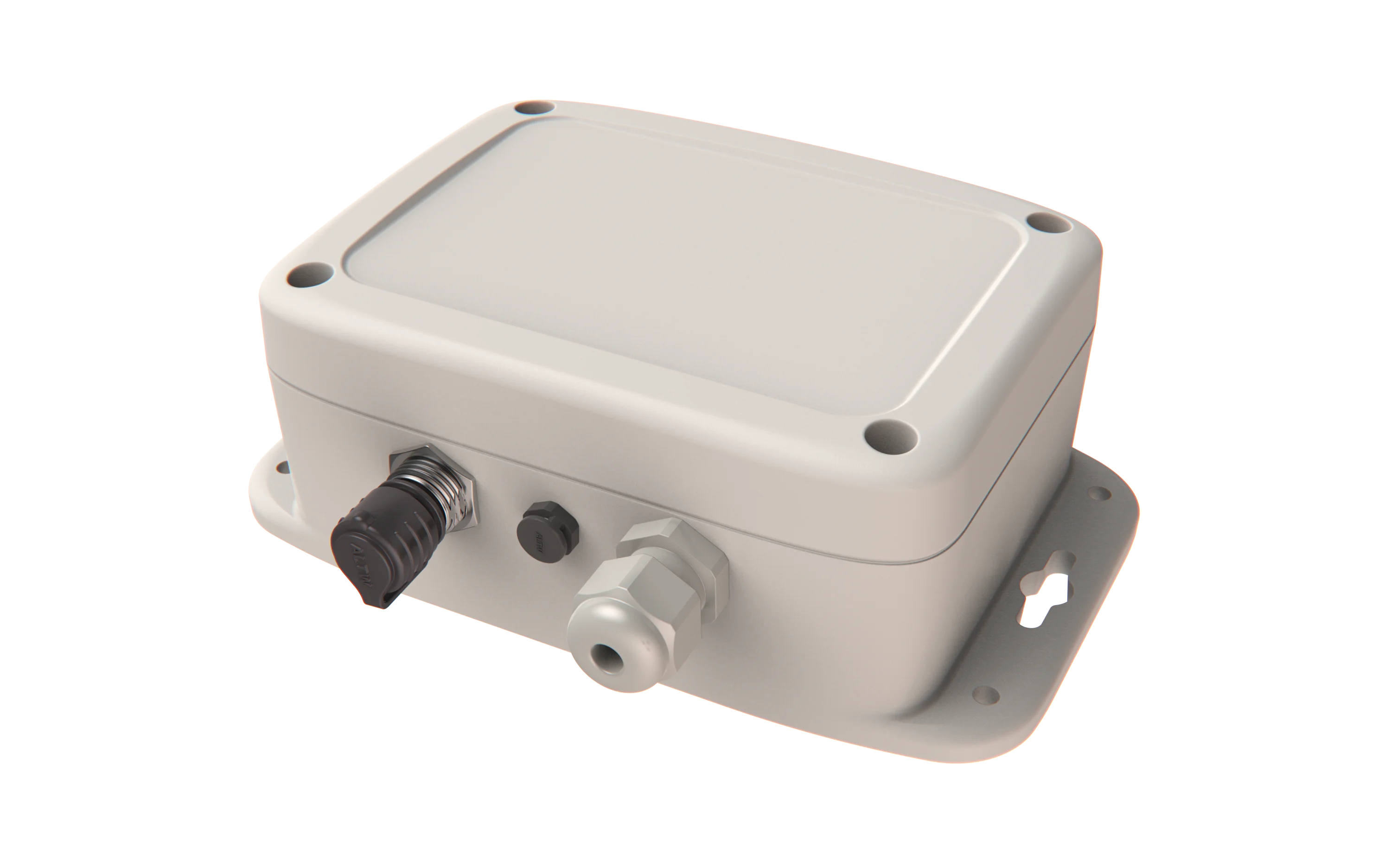
· 14 Nodos de comunicación con galgas extensiométricas – rastrean la tensión interna en elementos clave
· 1 Gateway
Estos instrumentos ofrecen una imagen integral en tiempo real del comportamiento estructural tanto estático como dinámico. El sistema SHM inalámbrico proporciona datos accionables que ayudan a detectar problemas emergentes y a orientar las labores de conservación a largo plazo.
Resultados en las primeras fases
Desde el inicio del monitoreo, los primeros resultados incluyen:
· Establecer el comportamiento de referencia bajo distintas condiciones de tráfico
· Identificar respuestas únicas a las cargas de vehículos de gran tamaño
· Verificar la calibración del sistema y la fiabilidad de los sensores
· Sentar las bases para estudios de conservación a largo plazo
A medida que crece la recopilación de datos, los ingenieros obtendrán información más profunda sobre las tendencias de comportamiento estructural a lo largo del tiempo.
Mirando al futuro: resiliencia sísmica y conservación
El sistema de monitoreo del Bridge of the Gods es un elemento fundamental dentro de las estrategias de resiliencia sísmica y conservación a largo plazo. Al proporcionar datos verificables y continuos, permite a los ingenieros tomar decisiones informadas que protegen la integridad de la estructura y prolongan su vida útil durante las próximas décadas.
Other projects
Sitio Patrimonio Mundial At-Turaif – Monitoreo ambiental y estructural para su conservación
Basílica de San Francisco de Asís – Monitoreo estructural durante la construcción
Transformando la seguridad de puentes con monitoreo estructural en tiempo real en Virginia Occidental
Monitoreo de un molino histórico durante obras de restauración

Suscríbete a las novedades
Mantente al tanto de nuestras últimas innovaciones e ideas.