Bridge of the Gods: monitoraggio wireless della salute strutturale per uno storico attraversamento del fiume Columbia
Parsons


Join the Move Solutions newsletter
Stay updated on product releases, news, and upcoming webinars.
Preservazione di un monumento storico del Pacifico nord-occidentale
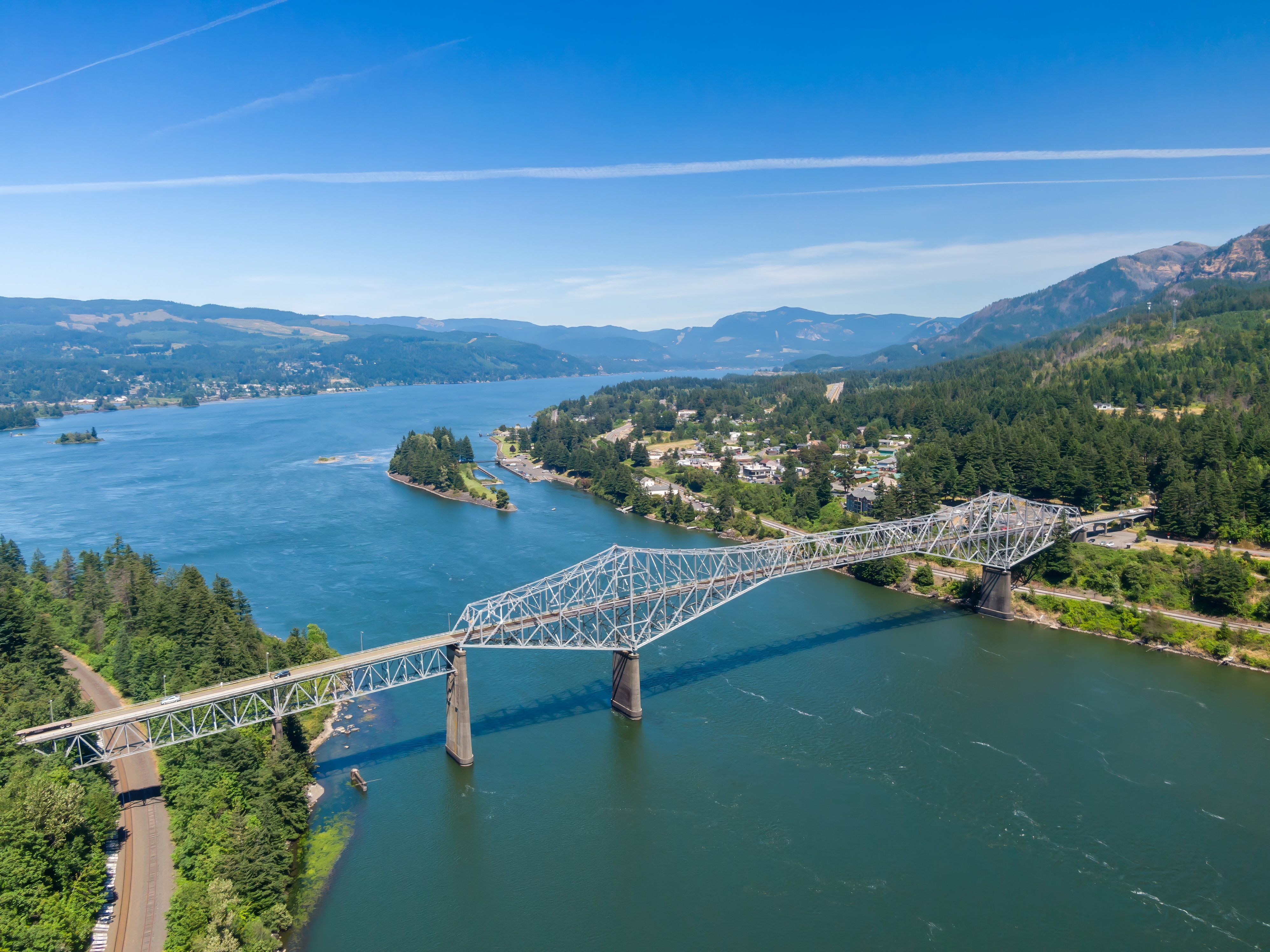
Il Ponte degli Dei è più di un collegamento di trasporto vitale; è un'icona culturale e storica del Pacifico nord-occidentale. Attraversando il fiume Columbia tra Cascade Locks, Oregon, e la contea di Skamania, Washington, questo ponte a traliccio a sbalzo in acciaio serve comunità e commercio dal 1926.
Nel giugno 2025, Parsons, in collaborazione con Move Solutions, ha lanciato un sistema di monitoraggio dei bridge wireless per Port of Cascade Locks per monitorare lo stato strutturale delle sue campate di approccio in Oregon. L'obiettivo: fornire informazioni accurate e in tempo reale per supportare la sicurezza, la resilienza e la conservazione.
Contesto storico e significato culturale
Il Ponte degli Dei, che attraversa il fiume Columbia tra Cascade Locks, Oregon, e la contea di Skamania, Washington, è stato originariamente costruito nel 1926 come ponte a traliccio a sbalzo in acciaio, un collegamento di trasporto fondamentale e un sistema di pedaggio regionale per quasi un secolo. Il ponte è stato rialzato di 44 piedi nel 1938-1940 per far fronte all'innalzamento del livello dell'acqua dovuto al progetto della diga di Bonneville.
Il ponte porta con sé una leggenda più profonda che affonda le sue radici nella tradizione indigena: una diga naturale con frana, noto come Bonneville Slide, si è formato intorno 1450, bloccando il fiume Columbia e ispirando il nome «Bridge of the Gods» nelle storie orali dei nativi americani. Nel corso dei secoli, questa leggenda e la struttura moderna simboleggiano la confluenza tra geologia, cultura e infrastrutture.
Oggi, il ponte trasporta un intenso traffico pendolare e merci, compresi carichi di grandi dimensioni, il che rende il monitoraggio strutturale essenziale per la sicurezza pubblica e la conservazione dei beni.
Perché il monitoraggio strutturale è essenziale
Il Ponte degli Dei deve affrontare continue sfide legate al traffico, alle condizioni meteorologiche e sismiche. Senza un monitoraggio continuo, i primi segni premonitori di affaticamento o movimento potrebbero passare inosservati.
Integrando una rete di sensori in tempo reale, gli ingegneri possono:
· Monitora le risposte del ponte in caso di carichi di veicoli normali e sovradimensionati
· Stabilire dati di base sulle prestazioni per l'analisi delle tendenze a lungo termine
· Supportare decisioni di manutenzione basate sui dati
La soluzione di monitoraggio wireless
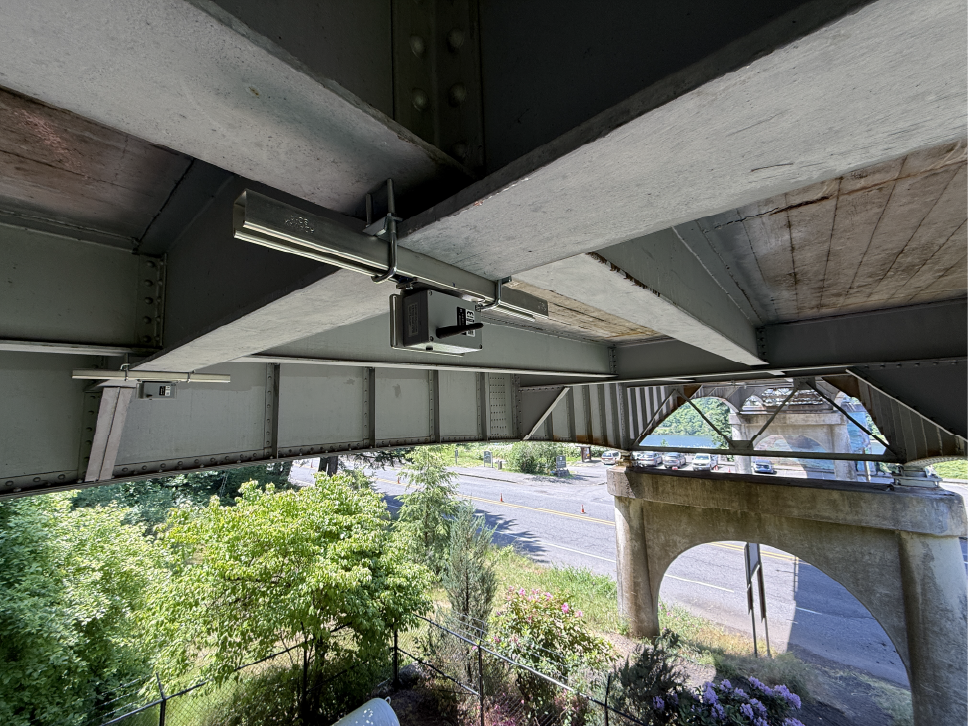
Il sistema Move Solutions implementato nel giugno 2025 copre i tre intervalli di approccio dell'Oregon con strumentazione avanzata e a bassa manutenzione:
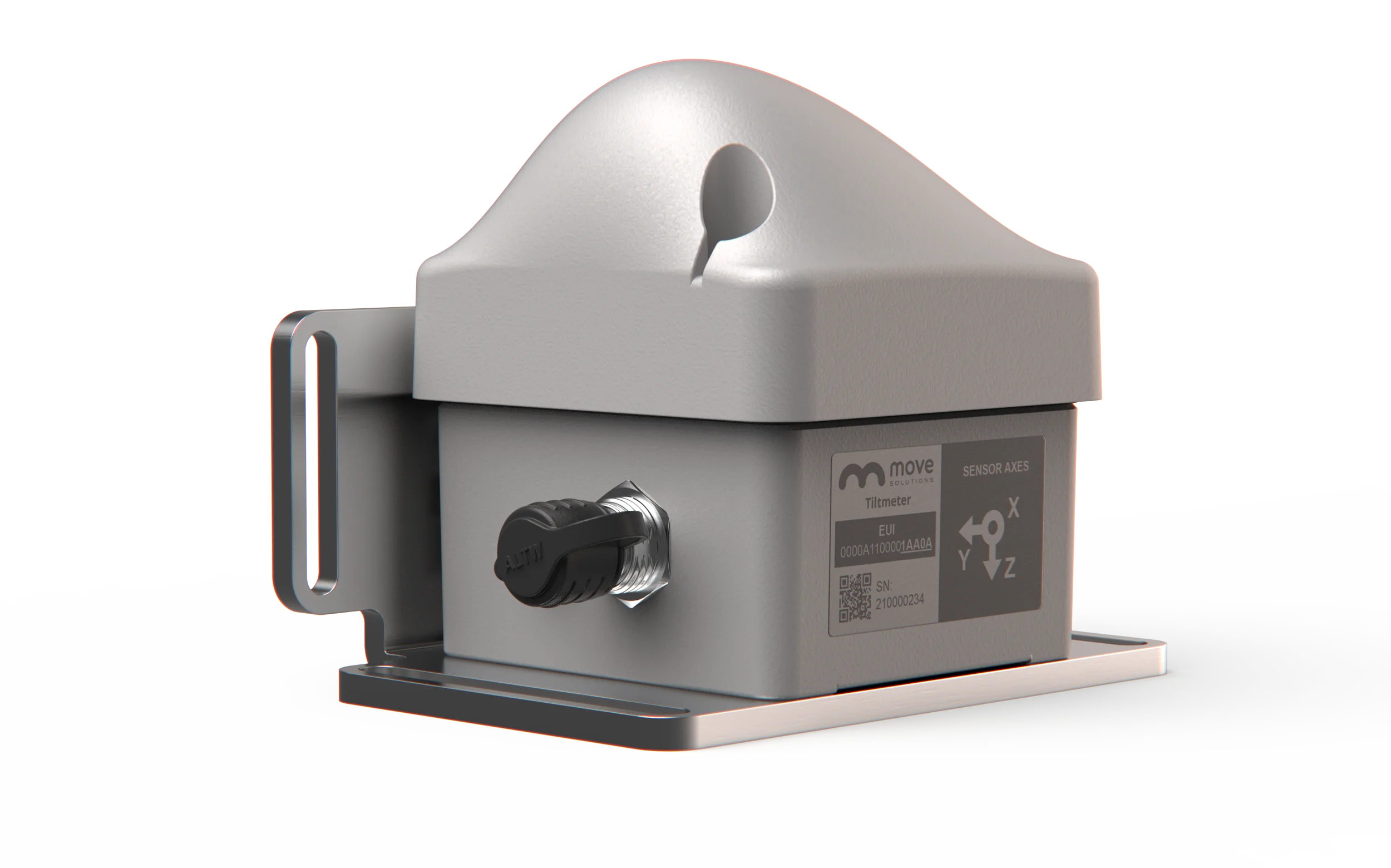
· 2 inclinometri: rilevano le rotazioni strutturali
· 6 accelerometri: misurano i modelli di vibrazione e accelerazione
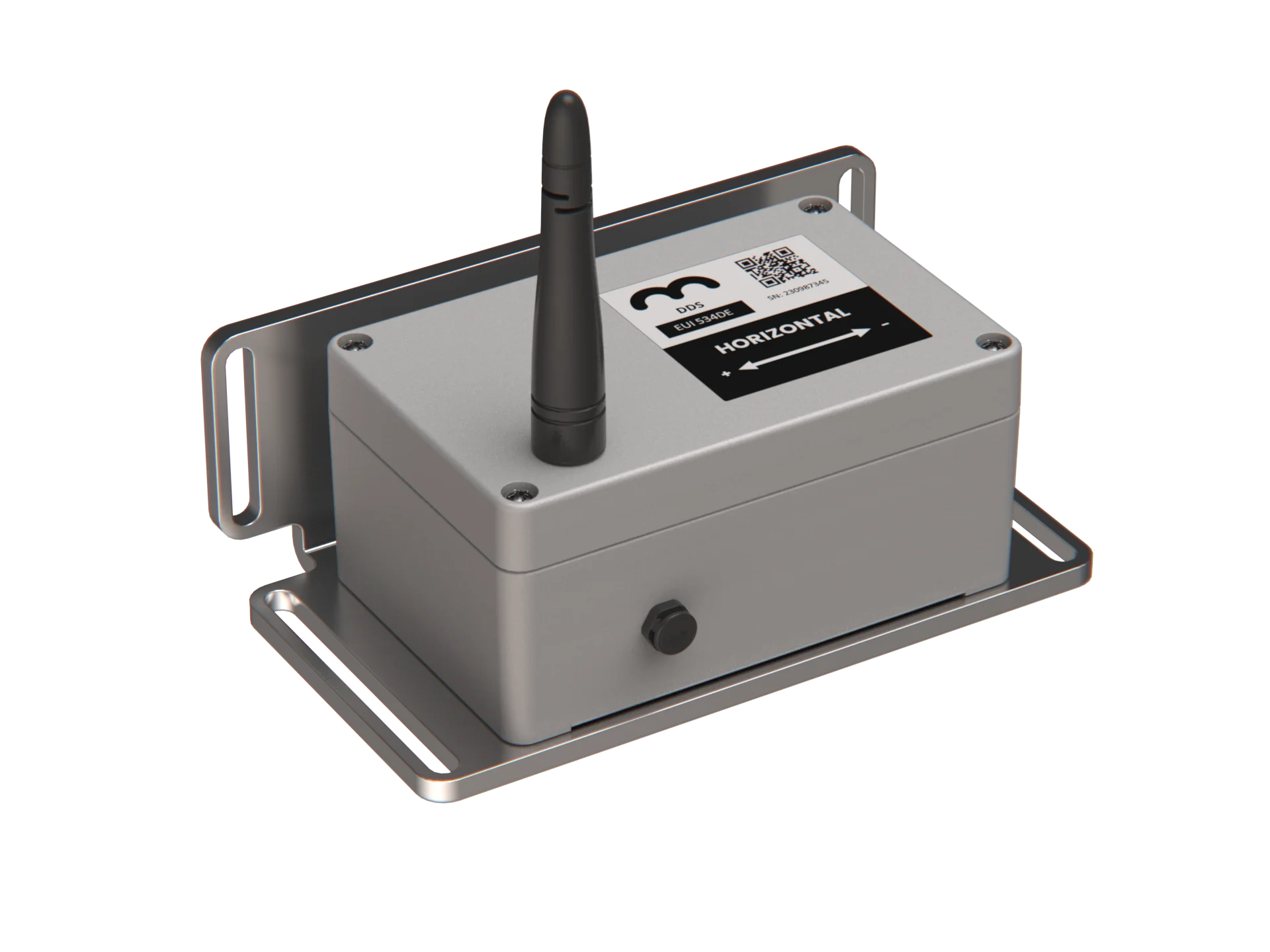
· 6 sensori di spostamento dinamico: catturano il movimento in tempo reale al passaggio dei veicoli
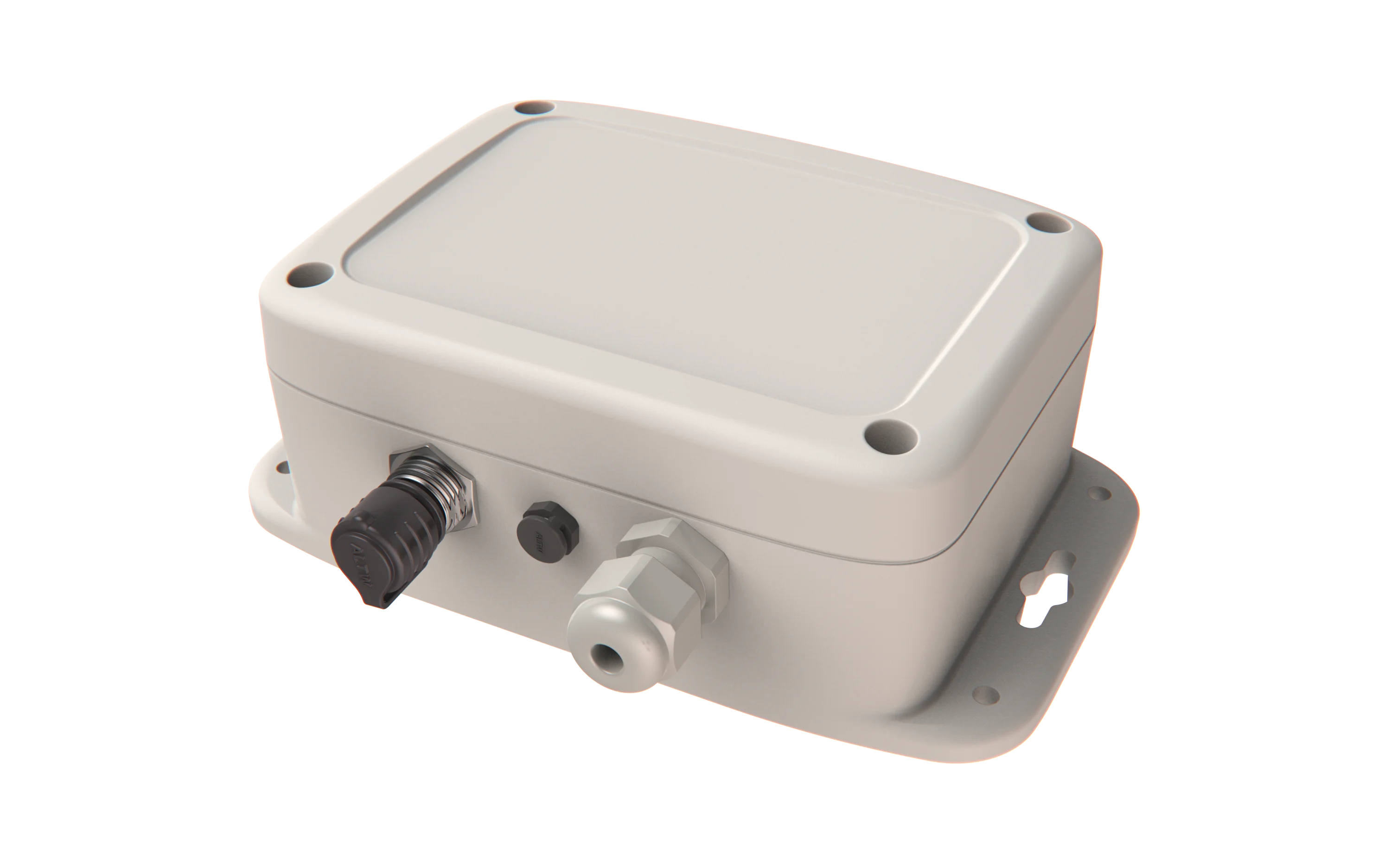
· 14 nodi di comunicazione con estensimetri: tracciano le sollecitazioni interne negli elementi chiave
· 1 porta
Questi strumenti forniscono un quadro completo in tempo reale del comportamento strutturale sia statico che dinamico. Il sistema SHM wireless fornisce dati utilizzabili per aiutare a rilevare problemi emergenti e guidare gli sforzi di conservazione a lungo termine.

Risultati nella fase iniziale
Dall'inizio del monitoraggio, i risultati iniziali includono:
· Stabilire il comportamento di base in condizioni di traffico variabili
· Identificazione di risposte di carico uniche da veicoli di grandi dimensioni
· Verifica della calibrazione del sistema e dell'affidabilità dei sensori
· Costruire una base per studi sulla conservazione a lungo termine
Man mano che la raccolta dei dati aumenta, gli ingegneri acquisiranno informazioni più approfondite sulle tendenze delle prestazioni strutturali nel tempo.
Guardando al futuro: resilienza e conservazione sismica
Il sistema di monitoraggio del Ponte degli Dei è un elemento fondamentale nelle strategie di resilienza e conservazione sismica a lungo termine. Fornendo dati verificabili e continui, consente agli ingegneri di prendere decisioni informate che salvaguardano l'integrità della struttura e ne prolungano la durata utile per i decenni a venire.
Other projects
Sito del patrimonio mondiale di At-Turaif — Monitoraggio ambientale e strutturale per la conservazione
Basilica di San Francesco d'Assisi — Monitoraggio strutturale durante la costruzione
Trasformare la sicurezza dei ponti con il monitoraggio della salute strutturale in tempo reale in West Virginia
Monitoraggio di un mulino a vento storico in fase di riparazione

Iscriviti agli aggiornamenti
Rimani aggiornato sulle nostre ultime innovazioni e approfondimenti.