Bridge of the Gods: wireless structural health monitoring for a historic Columbia River crossing
Parsons


Join the Move Solutions newsletter
Stay updated on product releases, news, and upcoming webinars.
Introduction: preserving a Pacific Northwest landmark
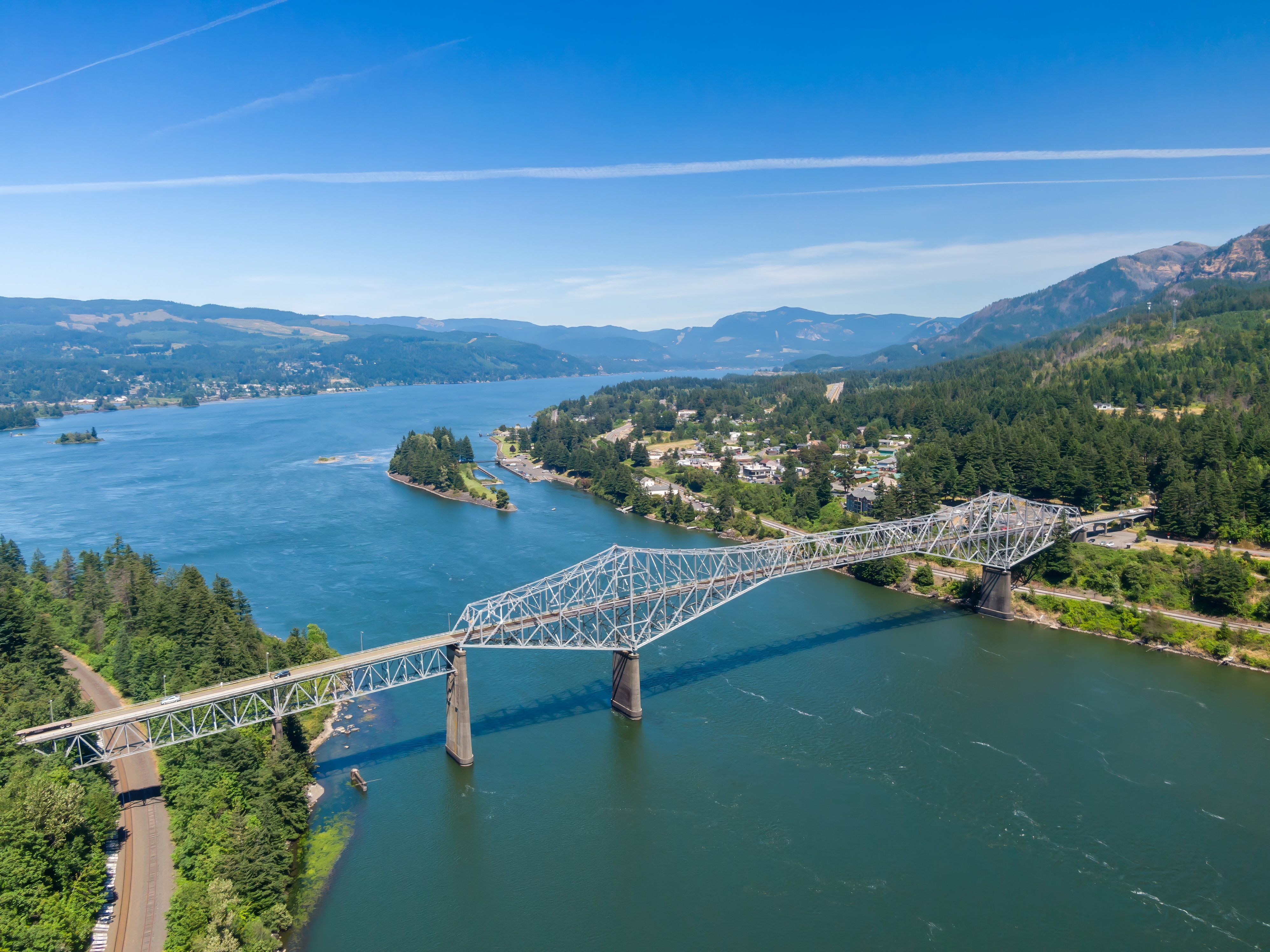
The Bridge of the Gods is more than a vital transportation link; it is a cultural and historic icon of the Pacific Northwest. Spanning the Columbia River between Cascade Locks, Oregon, and Skamania County, Washington, this steel cantilever truss bridge has served communities and commerce since 1926.
In June 2025, Parsons, in collaboration with Move Solutions, launched a wireless bridge monitoring system for Port ofCascade Locks to track the structural health of its Oregon approach spans. The goal: deliver accurate, real-time insights to support safety, resilience, and preservation.
Historical background and cultural significance
The Bridge of the Gods, spanning the Columbia River between Cascade Locks, Oregon, and Skamania County, Washington, was originally constructed in 1926 as a steel cantilever truss bridge, a critical transportation link and regional toll facility for nearly a century. It's deck was raised by 44 feet in 1938–1940 to accommodate rising water levels from the Bonneville Dam project.
The bridge carries a deeper legend rooted in Indigenous lore: a natural landslide dam, known as the Bonneville Slide, formed around 1450, blocking the Columbia River and inspiring the name "Bridge of the Gods" in Native American oral histories. Over centuries, this legend and the modern structure symbolize the confluence of geology, culture, and infrastructure.
Today, the bridge carries heavy commuter traffic and freight, including oversized loads—making structural monitoring essential for public safety and asset preservation.
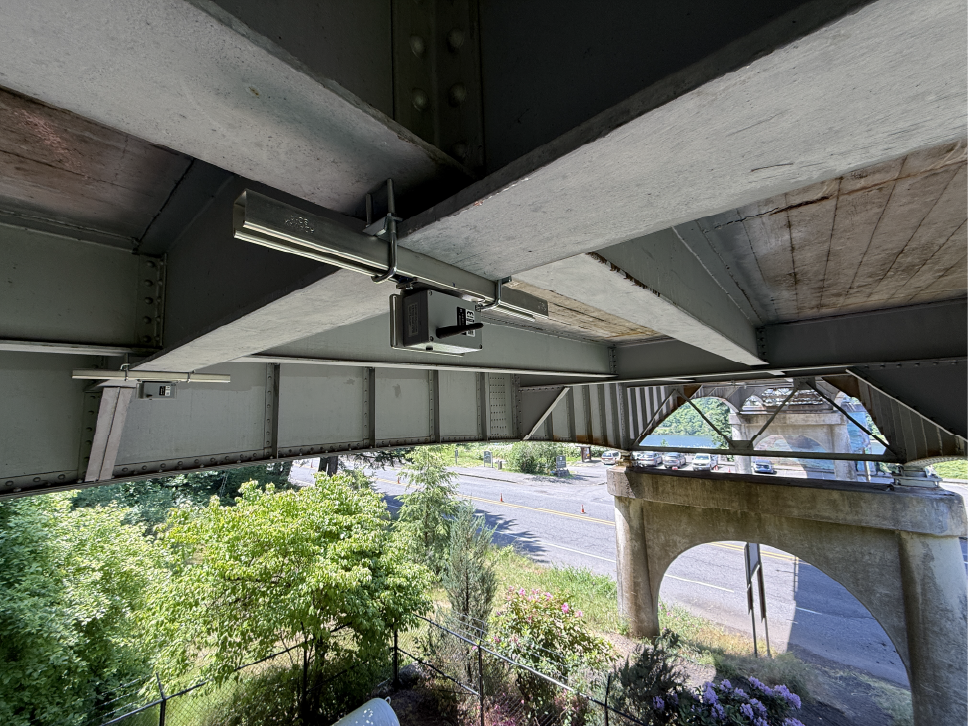
Why structural health monitoring is essential
The Bridge of the Gods faces ongoing traffic, weather, and seismic challenges. Without continuous monitoring, early warning signs of fatigue or movement could go unnoticed.
By integrating a real-time sensor network, engineers can:
· Track bridge responses under normal and oversized vehicle loads
· Establish baseline performance data for long-term trend analysis
· Support data-driven maintenance decisions
The wireless monitoring solution
The Move Solutions system deployed in June 2025 covers the three Oregon approach spans with advanced, low-maintenance instrumentation:
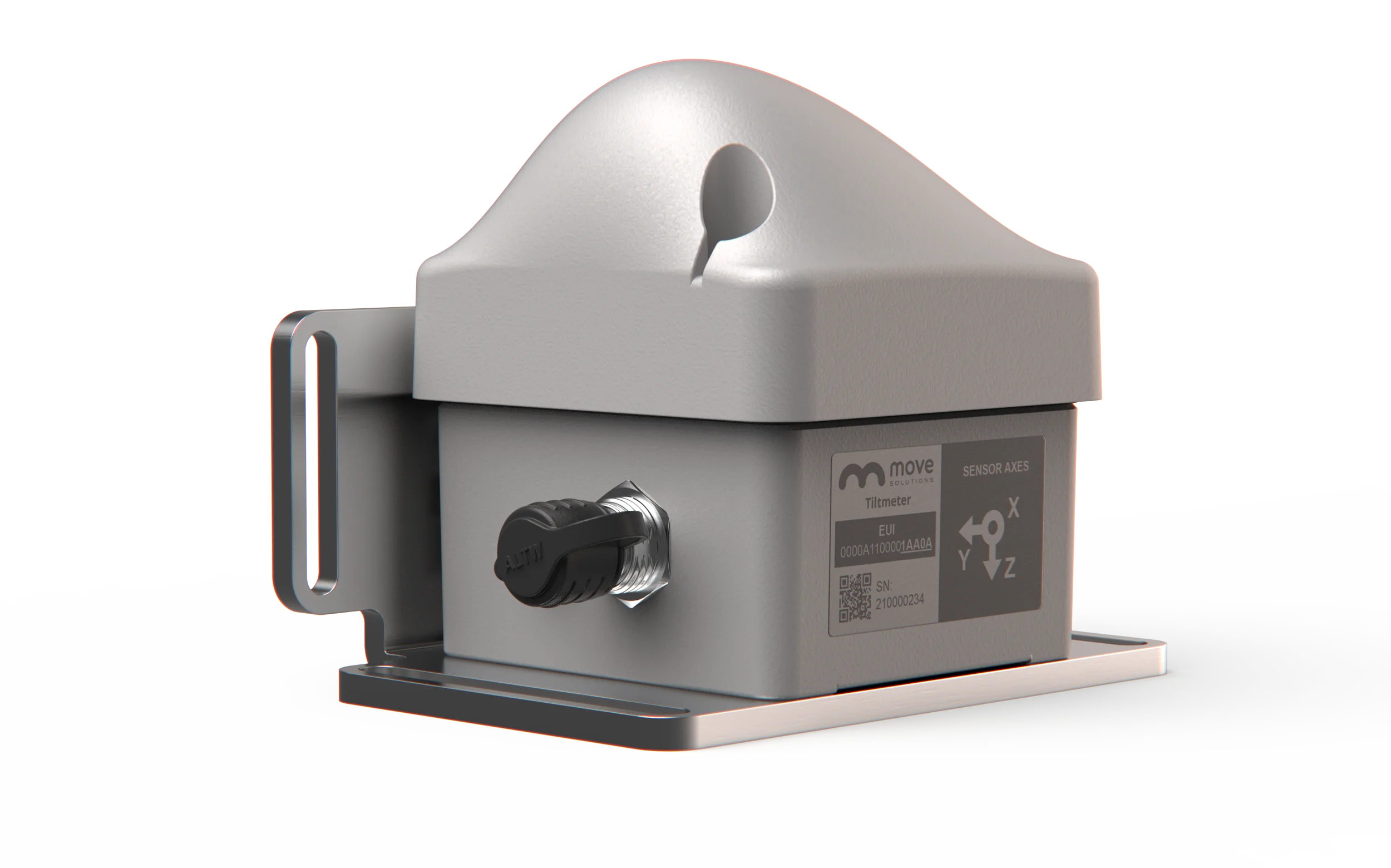
· 2 Tiltmeters – detect structural rotations
· 6 Accelerometers – measure vibration and acceleration patterns
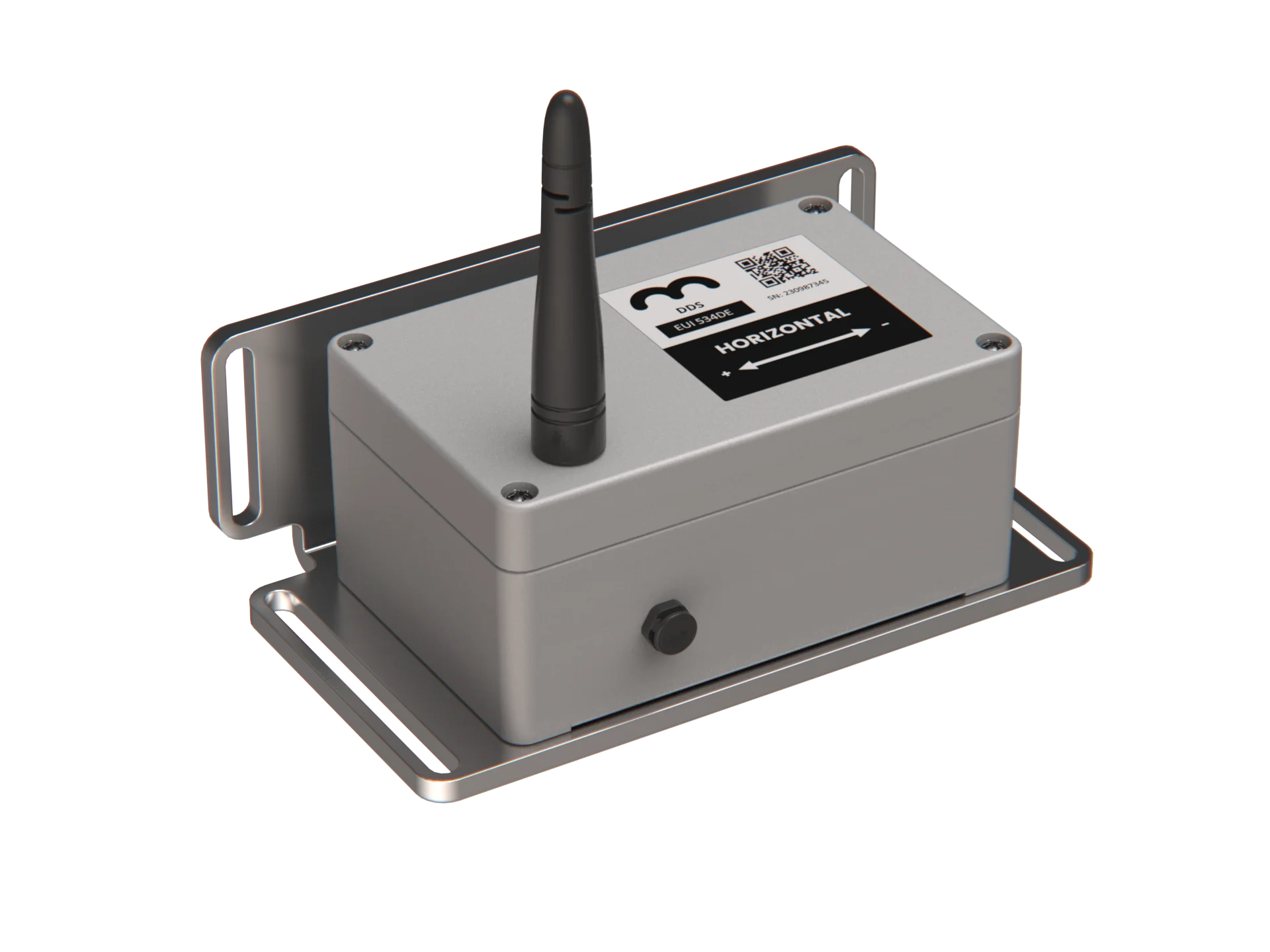
· 6 Dynamic displacement sensors– capture real-time movement as vehicles pass
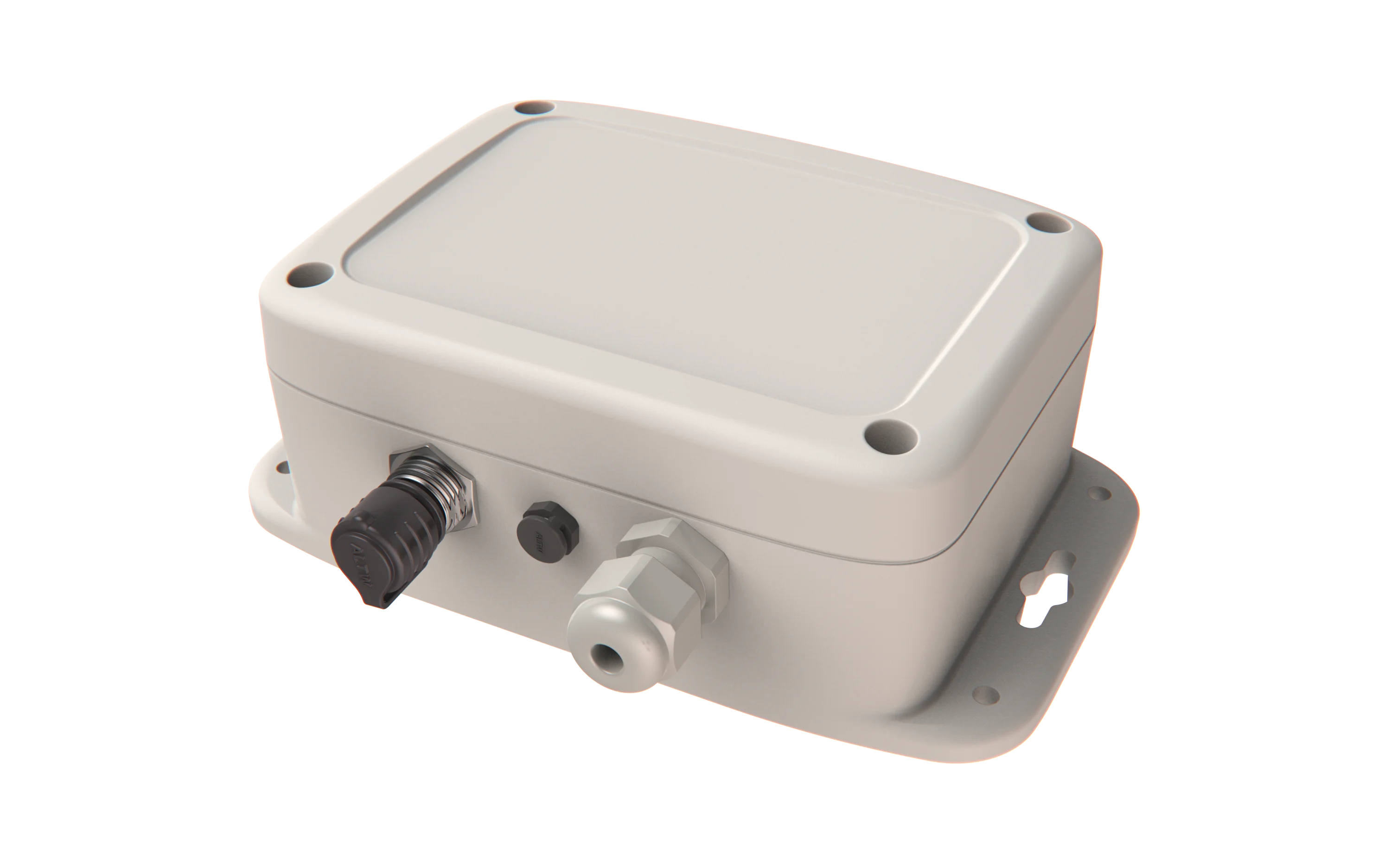
· 14 Communication nodes with strain gauges – track internal stress in key elements
· 1 Gateway
These instruments provide a comprehensive real-time picture of both static and dynamic structural behavior. The wireless SHM system delivers actionable data to help detect emerging issues and guide long-term preservation efforts.

Early-stage results
Since monitoring began, initial out comes include:
· Establishing baseline behavior under varying traffic conditions
· Identifying unique load responses from oversized vehicles
· Verifying system calibration and sensor reliability
· Building a foundation for long-term preservation studies
As data collection grows, engineers will gain deeper insights into structural performance trends over time.
Looking ahead: seismic resilience and preservation
The Bridge of the Gods monitoring system isa foundational element in long-term seismic resilience and preservation strategies. By delivering verifiable, continuous data, it empowers engineers to make informed decisions that safeguard the structure’s integrity and extend it's service life for decades to come.
Other projects
At-Turaif world heritage site – Environmental and structural monitoring for preservation
Basilica of Saint Francis of Assisi – Structural monitoring during construction
Transforming bridge safety with real-time structural health monitoring in West Virginia

Subscribe to Updates
Stay informed about our latest innovations and insights.