Basilica of Saint Francis of Assisi – Structural monitoring during construction

UNILAB SPERIMENTAZIONE S.R.L.
UNILAB SPERIMENTAZIONE S.R.L. - Project execution and monitoring management
.webp)

Join the Move Solutions newsletter
Stay updated on product releases, news, and upcoming webinars.
The Upper and Lower Basilicas (UNESCO site) contain masterpieces by Giotto, Cimabue, and others. The 1997 Umbria–Marche earthquakes caused severe damage, prompting major consolidation. With continuous visitor flow and new infrastructure upgrades, including the gallery and elevator, the basilica faces risks from construction-induced vibrations. Special attention was needed for the main wall behind Giotto’s fresco cycle, where even micro-movements could cause irreversible damage.
Monitoring objectives
The monitoring campaign aimed to:
- Measure rotations of the main load-bearing walls, including the primary wall behind Giotto’s fresco cycle.
- Detect vibrations induced by excavation and construction works for the gallery and elevator shaft.
The goal was to ensure that the works did not compromise the stability of the basilica or damage its priceless artworks.
Monitoring technology deployed
A wireless, non-invasive monitoring system consisting of:
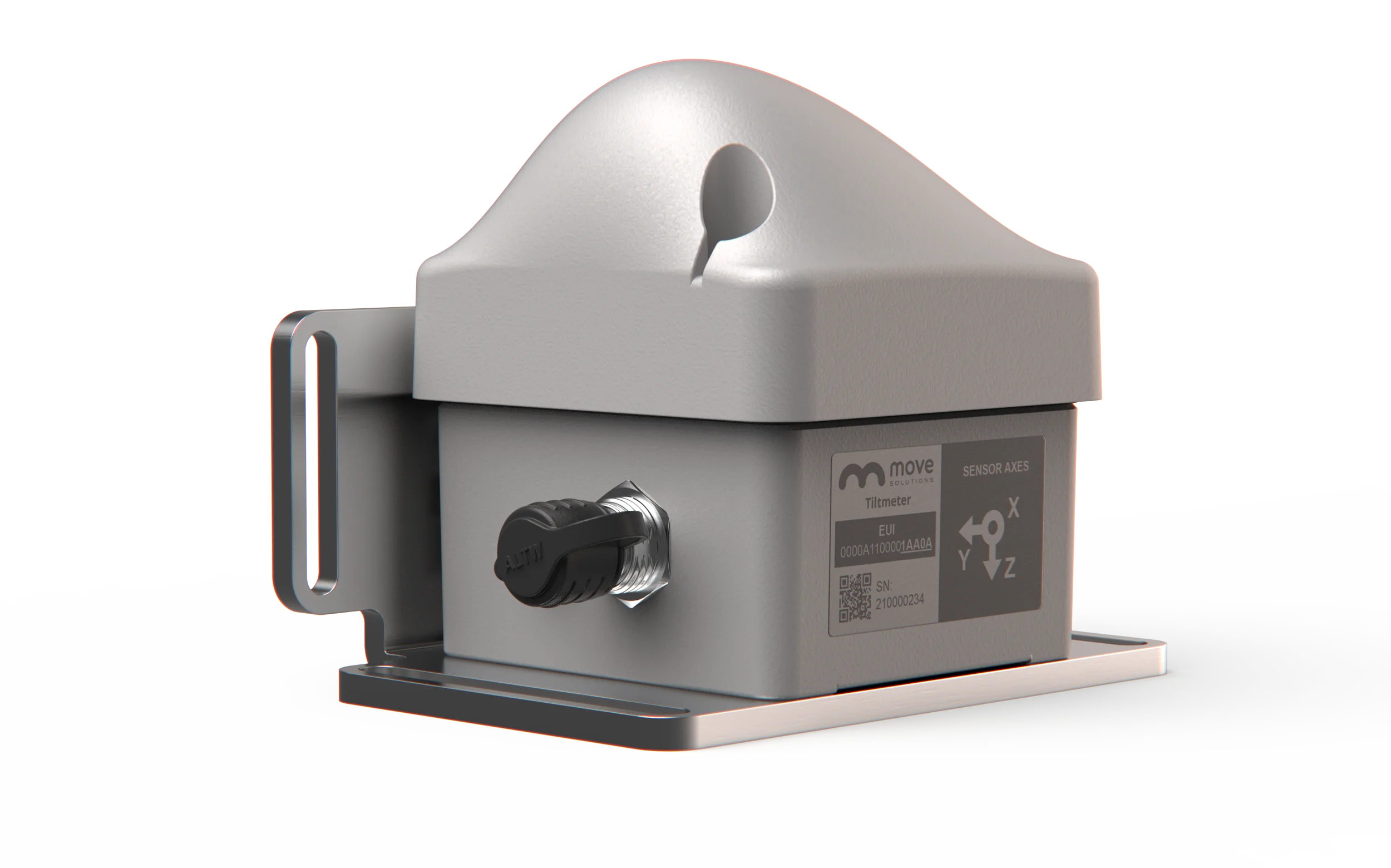
- Tiltmeters – For high-precision rotation measurement of key walls.
- Vibrometers – For real-time vibration monitoring during construction.
- Gateway – For continuous data acquisition and cloud-based analysis.
- Move Solutions IoT platform for live monitoring and data insights.
This system ensured 24/7 data collection and instant alerts via the platform, enabling rapid intervention in case of anomalies.
Results and impact
The monitoring system successfully tracked micro-movements and vibrations throughout the construction phases, ensuring compliance with heritage protection requirements.
Real-time data allowed engineers and heritage authorities to:
- Verify that vibration levels stayed within safe thresholds.
- Confirm that no structural displacement occurred in the monitored walls.
- Protect one of the world’s most valuable artistic heritage sites from construction-related risks.
Other projects
Bridge of the Gods: wireless structural health monitoring for a historic Columbia River crossing
At-Turaif world heritage site – Environmental and structural monitoring for preservation
Transforming bridge safety with real-time structural health monitoring in West Virginia

Subscribe to Updates
Stay informed about our latest innovations and insights.