Monitoreo en tiempo real y a largo plazo de un viaducto ferroviario

Join the Move Solutions newsletter
Stay updated on product releases, news, and upcoming webinars.
Resumen
Este caso de estudio presenta un proyecto pionero liderado por el Profesor Hannes Grabe, jefe del Departamento y catedrático de Ingeniería Ferroviaria en la Universidad de Pretoria. El artículo muestra la aplicación de la avanzada tecnología de Move Solutions para el monitoreo en tiempo real y a largo plazo de un viaducto ferroviario en Pretoria, Sudáfrica.


La necesidad de un monitoreo avanzado en Sudáfrica
El sector ferroviario en Sudáfrica está a las puertas de una era transformadora, con los objetivos de Transnet y las inversiones gubernamentales impulsando su desarrollo. La Universidad de Pretoria, en colaboración con actores clave del sector, está liderando avances en Ingeniería Ferroviaria en África. Adoptando las tecnologías de la Cuarta Revolución Industrial (4IR), la Universidad está desarrollando su campus Engineering 4.0, centrado en Ingeniería del Transporte y Ferroviaria.
Objetivos del monitoreo
El objetivo principal era monitorear la respuesta de deflexión y aceleración del viaducto para una planificación de mantenimiento y gestión del rendimiento eficaces. Al elegir la transición de la vía desde un terraplén hacia un viaducto y un emplazamiento de control cercano, el proyecto buscaba establecer un análisis comparativo de la dinámica del tren y la respuesta de la vía en estos lugares adyacentes.
Implementación de la solución
Para monitorear de forma integral el movimiento del puente, Move Solutions instaló:
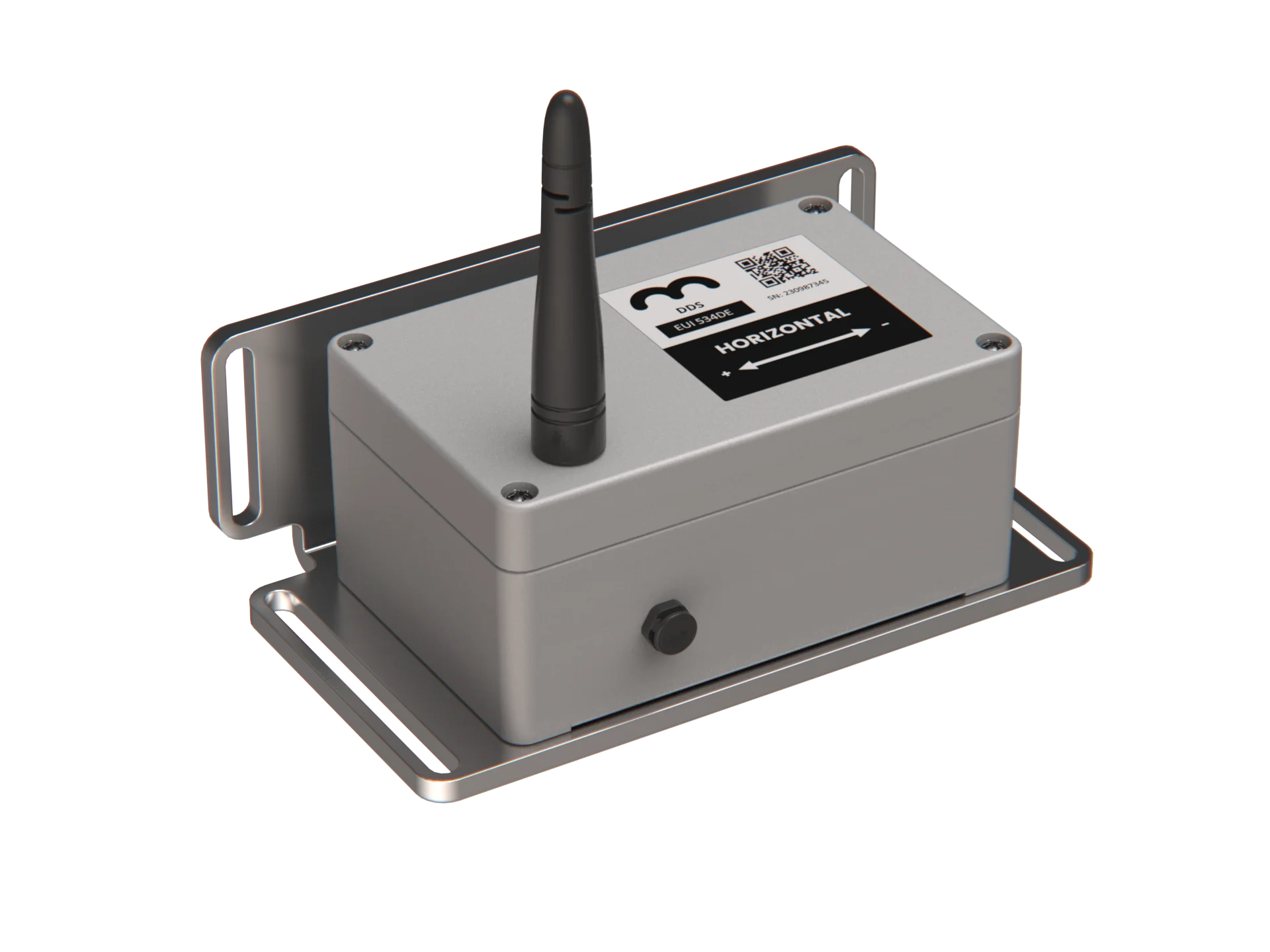
- Sensores de Desplazamiento Dinámico, para la deflexión vertical de las traviesas y la deflexión vertical del viaducto;
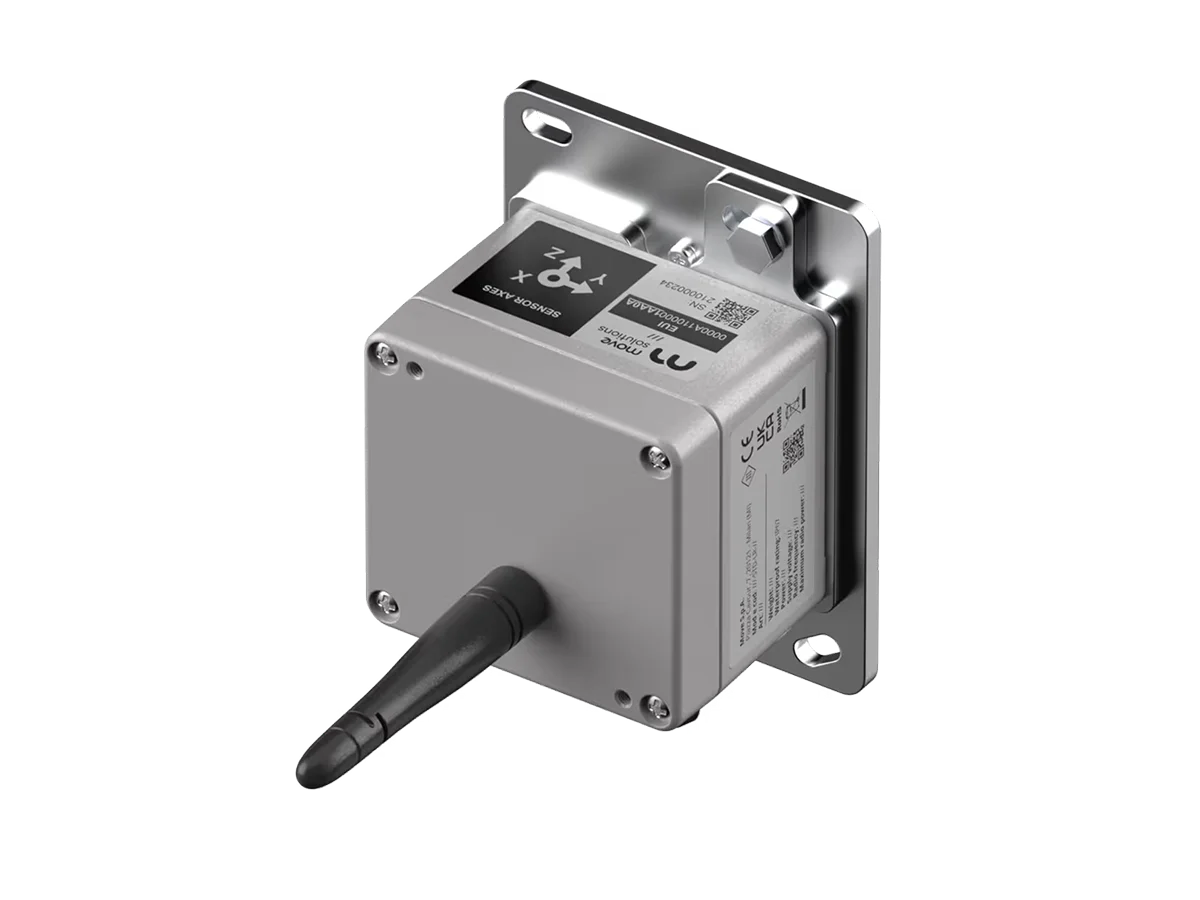
- Acelerómetros, para medir la aceleración de las traviesas.
Estos sensores, mediante la comunicación LoRaWAN, transmiten datos a la plataforma IoT MyMove, garantizando un monitoreo continuo y fiable. El sistema utiliza herramientas de diagnóstico avanzadas como la Frequency Domain Decomposition, la Displacement Density Probability function y la Fast Fourier Transform. Se han configurado disparadores de alarma para superaciones de deflexión (deflexión de traviesa, puente o riel), superaciones de temperatura (indicativas de pandeos o roturas del riel), superaciones de aceleración (provocadas por el material rodante), estado de las puertas y violaciones de seguridad.
Resultados del proyecto
Desde la fecha base de julio de 2022, el sistema ha funcionado de manera excepcional, proporcionando más de un año de datos valiosos. Entre los hallazgos clave se incluyen:
- una clara correlación entre temperatura y deflexión a escala de evento;
- una tendencia descendente a largo plazo en las deflexiones y aceleraciones verticales;
- el monitoreo en tiempo real con comunicación LoRaWAN fiable y un análisis de tendencias especializado se ha demostrado crucial para la planificación del mantenimiento y la evaluación del estado de la infraestructura.
Este proyecto demuestra la eficacia y la necesidad de tecnologías de monitoreo avanzadas en la industria ferroviaria, abriendo el camino hacia sistemas ferroviarios más inteligentes, seguros y eficientes.
Other projects
Bridge of the Gods: monitoreo estructural inalámbrico para un histórico cruce del río Columbia
Sitio Patrimonio Mundial At-Turaif – Monitoreo ambiental y estructural para su conservación
Basílica de San Francisco de Asís – Monitoreo estructural durante la construcción
Transformando la seguridad de puentes con monitoreo estructural en tiempo real en Virginia Occidental

Suscríbete a las novedades
Mantente al tanto de nuestras últimas innovaciones e ideas.