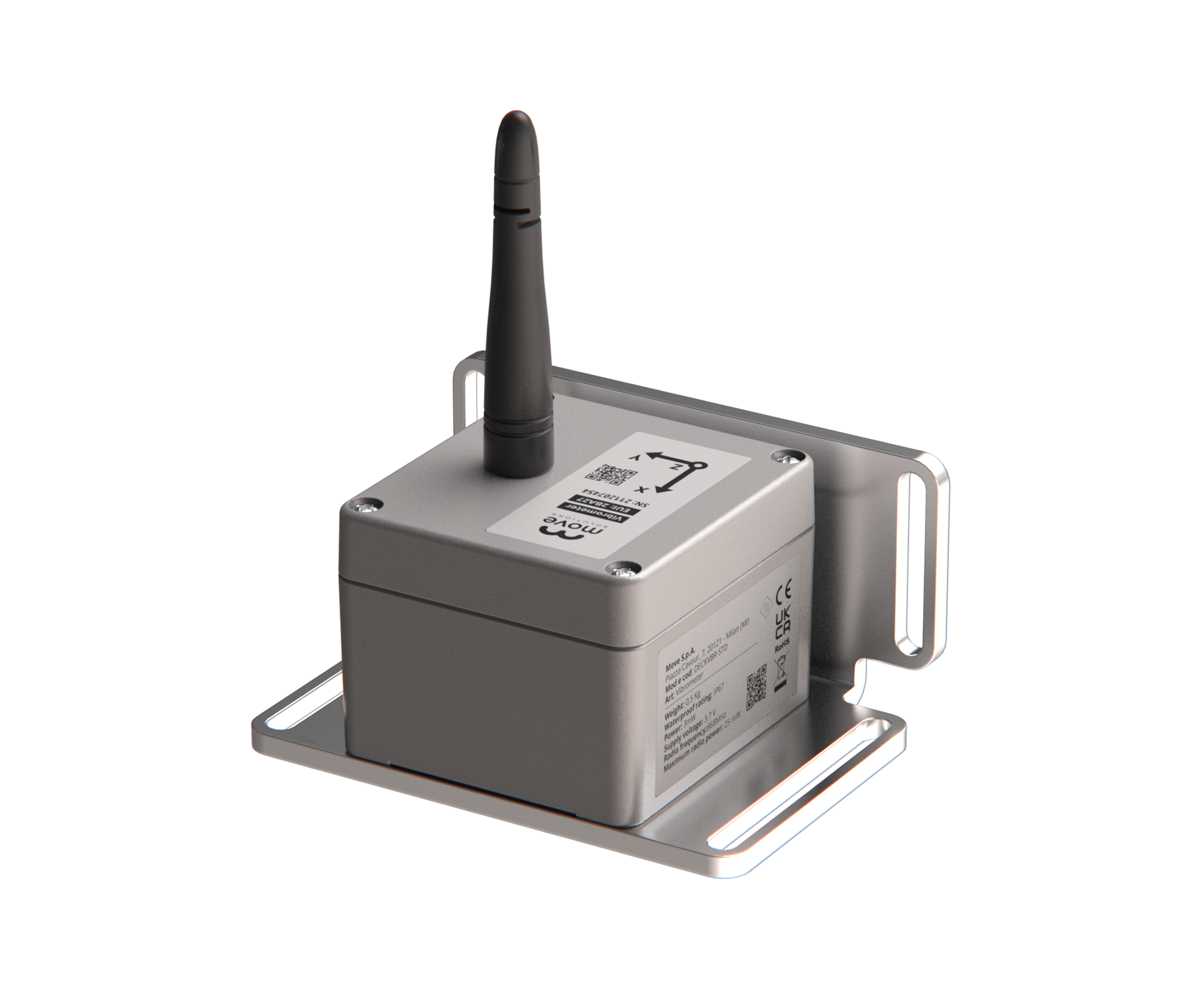
Vibrometer HS
The Vibrometer HS is a high-performance triaxial device designed to monitor structural vibrations through particle velocity, with optional waveform transmission for detailed event analysis. Fully wireless and LoRaWAN-enabled, it operates autonomously and streams time-synchronized data to the MyMove platform for visualization, alarms, and advanced processing. Built to support compliance-driven monitoring, it can be configured through international regulations and used with regulation-based alarm templates, from structural vibration assessment (for example ISEE, DIN 4150-3, BS 7385-2, Circulaire '86, SN 640 312a, RI 8507, UNI 9916) to human exposure monitoring (for example DIN 4150-2 and BS 6472-1).
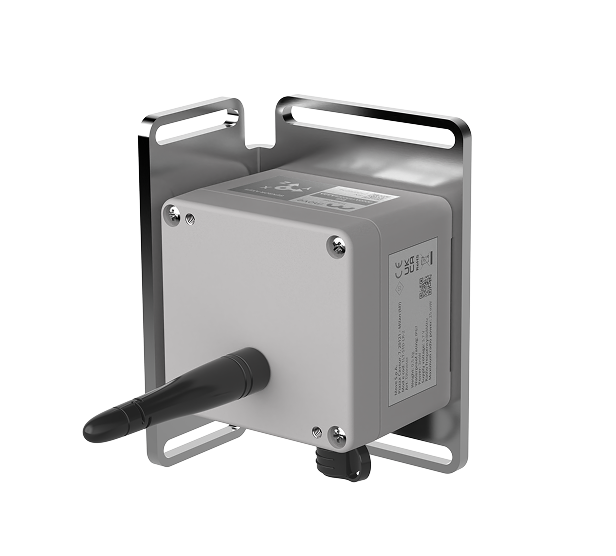

Wireless connectivity
Long-range, low-power data transmission ideal for remote and large-scale sites.

Long-term battery autonomy
Multi-year operation with adjustable sampling and transmission settings.

Full remote configuration
Configure settings, calibrate sensors, and manage alarm thresholds, all in one platform.

Durable hardware
Built for reliable use in harsh environments.
One device. Real-time control.
From regulation-ready setup to waveform-level insight, Vibrometer HS supports vibration compliance and event diagnostics without external post-processing workflows.

Triaxial velocity and acceleration measurement
Performs acquisition on three orthogonal axes and provides key vibration metrics including PPV, PVS, RMS velocity, and peak acceleration. Wide configurable bandwidth and fullscale options let you match the measurement range required by your site and regulation.
Trigger, Programmed, and Combo acquisition
Three operating modes are available: Trigger, Cadence (Programmed), and Combo. In Trigger acquisitions, you can enable waveform transmission on each axis and analyze events with cloud FFT and dominant frequency peak detection. Zero-crossing frequency is detected on board for both programmed and trigger acquisitions.
Regulation-driven configuration and alarm templates
Select a regulation to automatically set bandwidth, fullscales, sampling rate, and processing mode. For alarms, you can use standard single-parameter thresholds or Frequency-Velocity curves, with predefined templates based on international standards. Custom configurations and custom alarm curves are also supported when you need site-specific limits.
External power, long-term deployments, and calibration
Vibrometer HS is powered through a dedicated external battery pack for extended deployments and easier maintenance. Diagnostics help monitor device integrity and operation. Calibration and re-calibration services are available when required by compliance workflows.
Titolo di card 5
This is the default rich text value
What this sensor measures
Triaxial velocity
Vibration velocity (mm/s or inch/s) along three axes, with PPV, PVS, and RMS velocity metrics available depending on the selected operating and processing mode
Peak frequency
Frequency information per axis, available as zero-crossing frequency (fmg) and, when waveforms are transmitted, FFT-based dominant frequency (fdom)
Temperature
Logged with acquisitions for environmental correlation and data quality checks
Technical specifications
For detailed information about Vibrometer HS capabilities, check the download datasheet section.
Downloads
Explore our datasheets and technical resources to access detailed product specifications, key features, and practical tools — everything you need to make informed decisions and get the most out of our technology.

Use MyMove for real-time insights
Connect your sensors and devices to MyMove and access the full power of the platform:real-time dashboards, alarms, automated PDF reporting, remote system control, and advanced tools for structural health monitoring.
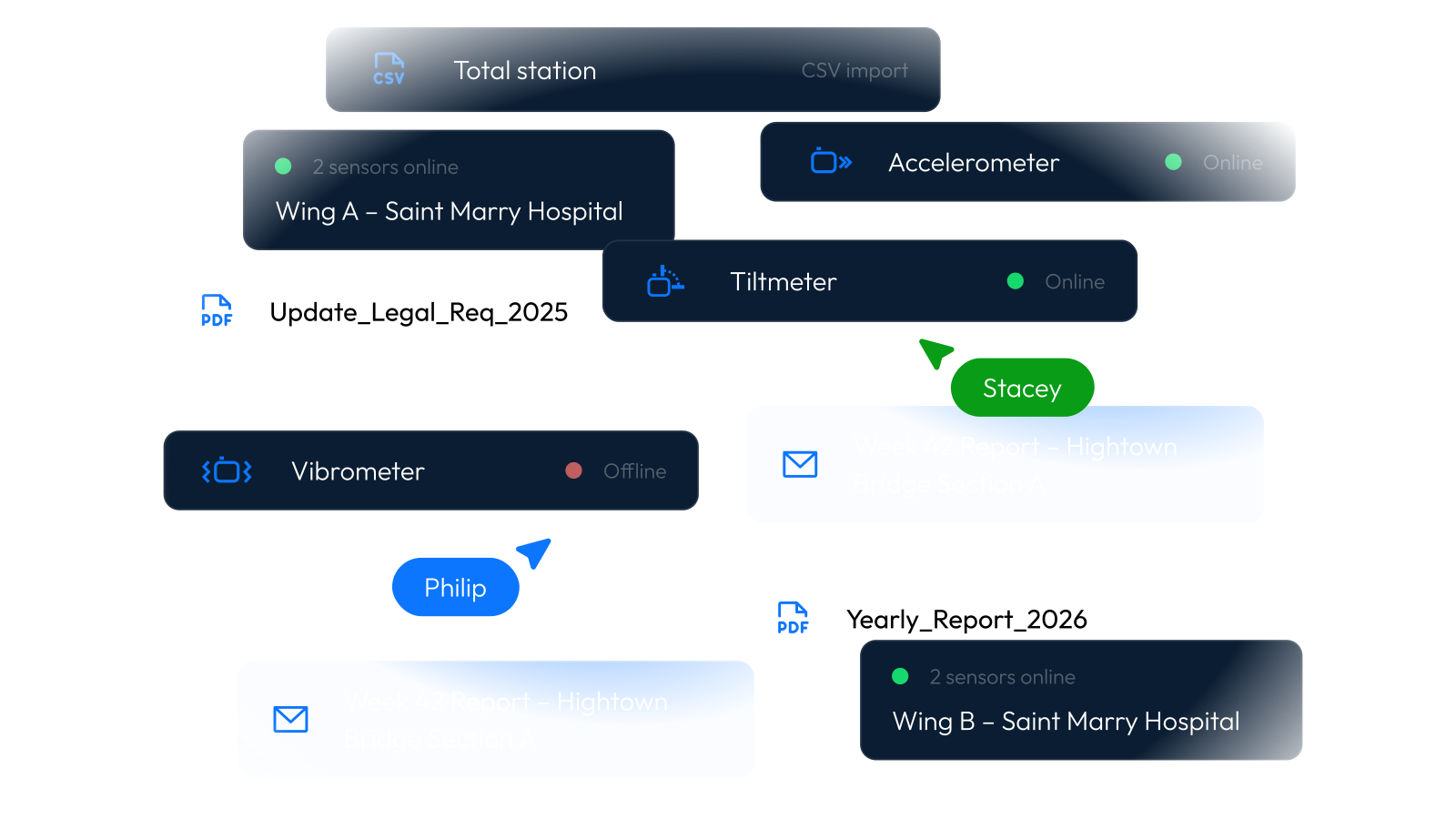
Integrate Move sensors via API
Use our API to access real-time and historical sensor data, configure devices remotely, and integrate everything into your SaaS, BIM model, or custom workflow.